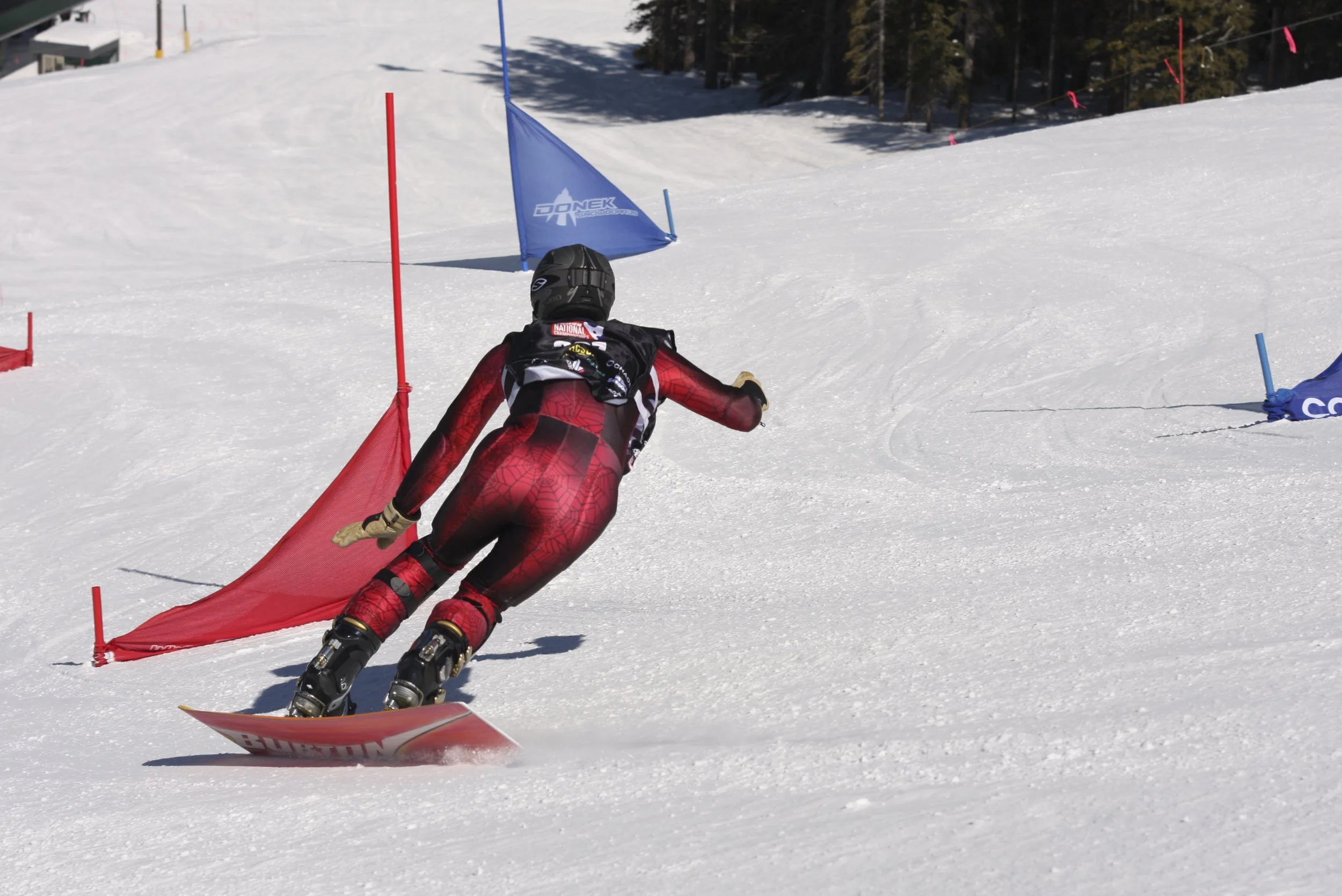
The Mindful Advantage is counseling and coaching for athletes focusing on support for overall well-being by addressing the emotional, mental and social aspects of an athlete’s life. I provide a safe and confidential environment where athletes can discuss challenges such as stress, anxiety, motivation, identity, and life balance. I help athletes develop healthy coping strategies, build resilience and strengthen their sense of self beyond their athletic roles. The emphasis is on promoting mental health, self-care, and personal growth so that athletes can thrive not only in their sport but also in their everyday lives.

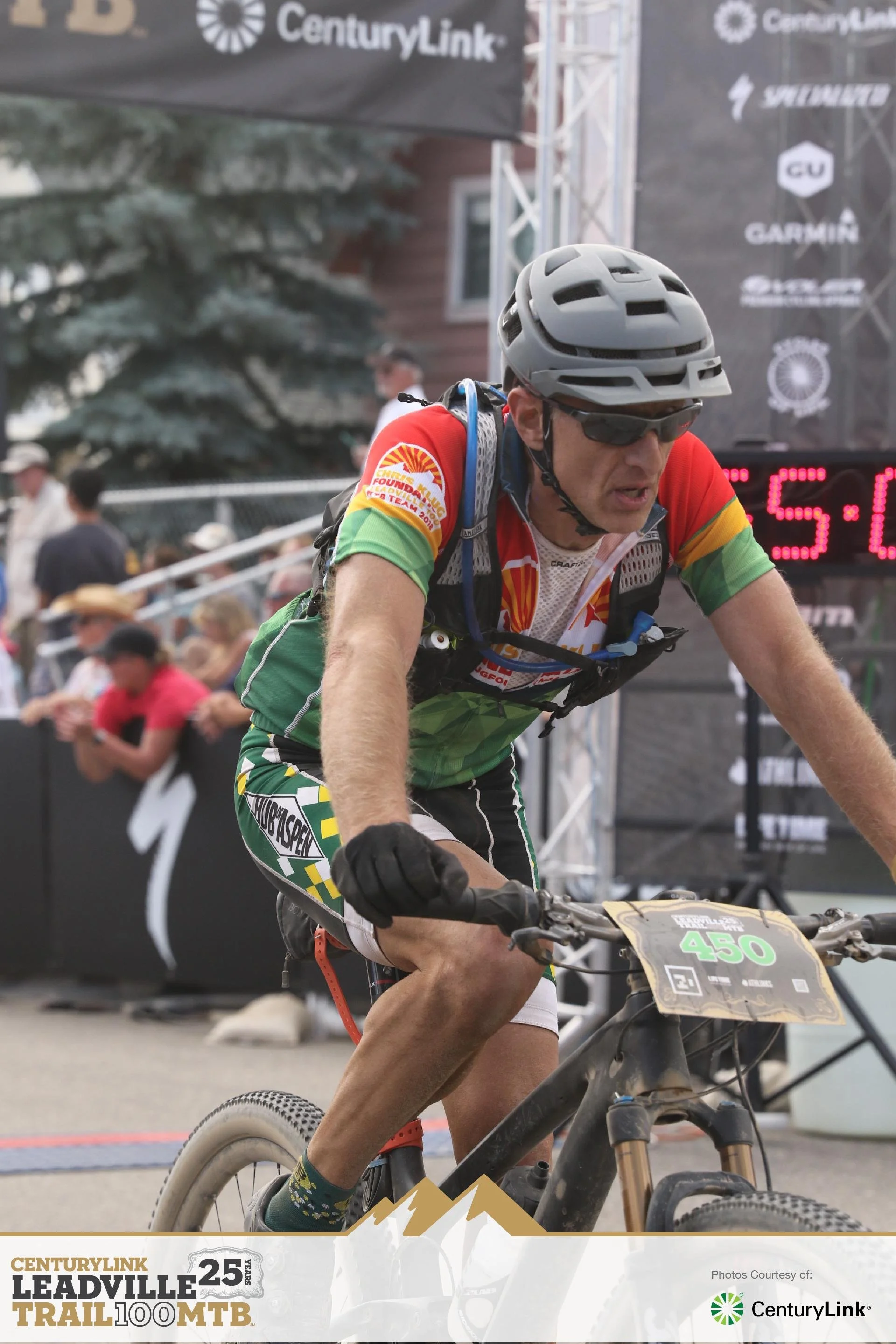
For years I have heard about and witnessed the decline in the mental health of elite athletes across the spectrum of sport. Just watch “The Weight of Gold” and listen to many well-known Olympic athletes speak of the challenges they faced finding anyone to support them in their desperate attempts to improve their mental health. They say there are plenty of resources to help them with their mental performance but when it comes to support for real life issues outside of their sport, they are essentially non-existent. In some cases, leading to the devastating result of suicide.
To me, this is a massive tragedy, which could easily be remedied.

REACT framework:
Routine check-ups. Mental health should be screened regularly, just like physiological parameters. Every six months, not just when there’s a crisis.
External help. Not every athlete will want to open up inside the team. Make sure confidential, independent options are available outside the structure.
Assess early, refer early. If there’s even a suspicion of trouble, act. Mental health is like injury management – earlier is always better.
Collaborate with specialists. Especially for complex cases like ADHD or comorbid conditions, teams need sports psychiatrists involved, not just general mental coaches.
Treat early, manage long-term. Mental health doesn’t end when a rider stabilises. It requires ongoing care, monitoring and support across seasons.
- Michael Liebrenz

I think I can honestly say now, looking back throughout my career, I don’t think anybody really cared to help us. I don’t think anybody really jumped in to ask us if we were OK. As long as we were performing, I don’t think anything else really mattered. It’s pretty unfortunate to say, pretty sad to say.
- Michael Phelps (23x Olympic gold medalist, the most successful and most decorated Olympian of all time)
The problem is, without fully understanding who should be helping us, it’s hard to seek out the right person, because it seems like psychologists and sports psychologists, everyone wants to work with an Olympian and claim credit for your performance, but when it comes to serious family issues or mental health issues, it’s almost nonexistent.
- Katie Uhlaender (5x Olympian, 2x World Champion)
I think the last thing on my mind was how can USA Diving and how can the Olympic Committee help me with this? They can help me with my mental preparation and they’ve done a phenomenal job of how do I mentally stay strong in my sport? But not once have I gotten wisdom in how does David stay strong outside of my sport?
- David Boudia (Olympic gold medalist)
Right now, I’m facing some challenges. After discussing it with the team, we’ve decided that taking a break from racing is the best step for my mental health and well-being. I’ll focus on my recovery with the goal of coming back stronger.
I’ve learned to value myself more as a person, independent of results. In the end, I’ve mostly found myself again and that makes me very happy.
I’m just going to dive in and do what I love most.
- Fem van Empel (3x World Cyclocross Champion)

The beauty of cycling is that big investments push everything and everyone to the top; the bad thing is that the human aspect gets lost a bit.
In that case, you need the clarity to say, 'I'm doing this because it's an investment in myself.' It requires a lot of attention, and that's why people like a mental coach, who help to maintain balance, are needed.
The general picture is as we've illustrated. Sacrifices are made to reach the limit, but the risk is of ending up in burnout. And it's an increasingly common problem: many young people then quit almost suddenly. It's up to the psychologist to prevent them from crossing that fine line between perfection and exhaustion.
- Matteo Sobrero (World Tour Pro)
Let’s connect.
Jeff Cole
info@mindful-advantage.com
303-815-9399